






Background
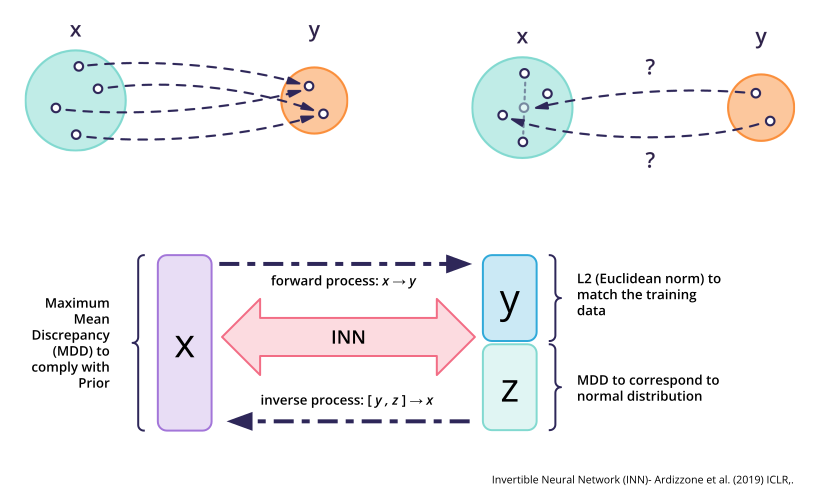
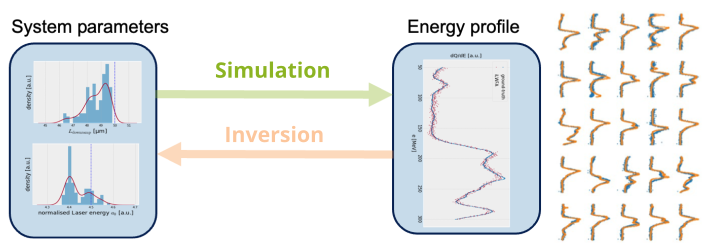
In materials research at large research facilities like Forschungszentrum Jülich, DESY, or the European XFEL, enormous amounts of data are generated daily from high-precision measurements. A fundamental problem is the so-called phase problem. In X-ray and neutron scattering, essential phase information is lost in the detector. The result is an ambiguous interpretability of the measurement data, comparable to the square root of 4, which can be both +2 and -2.
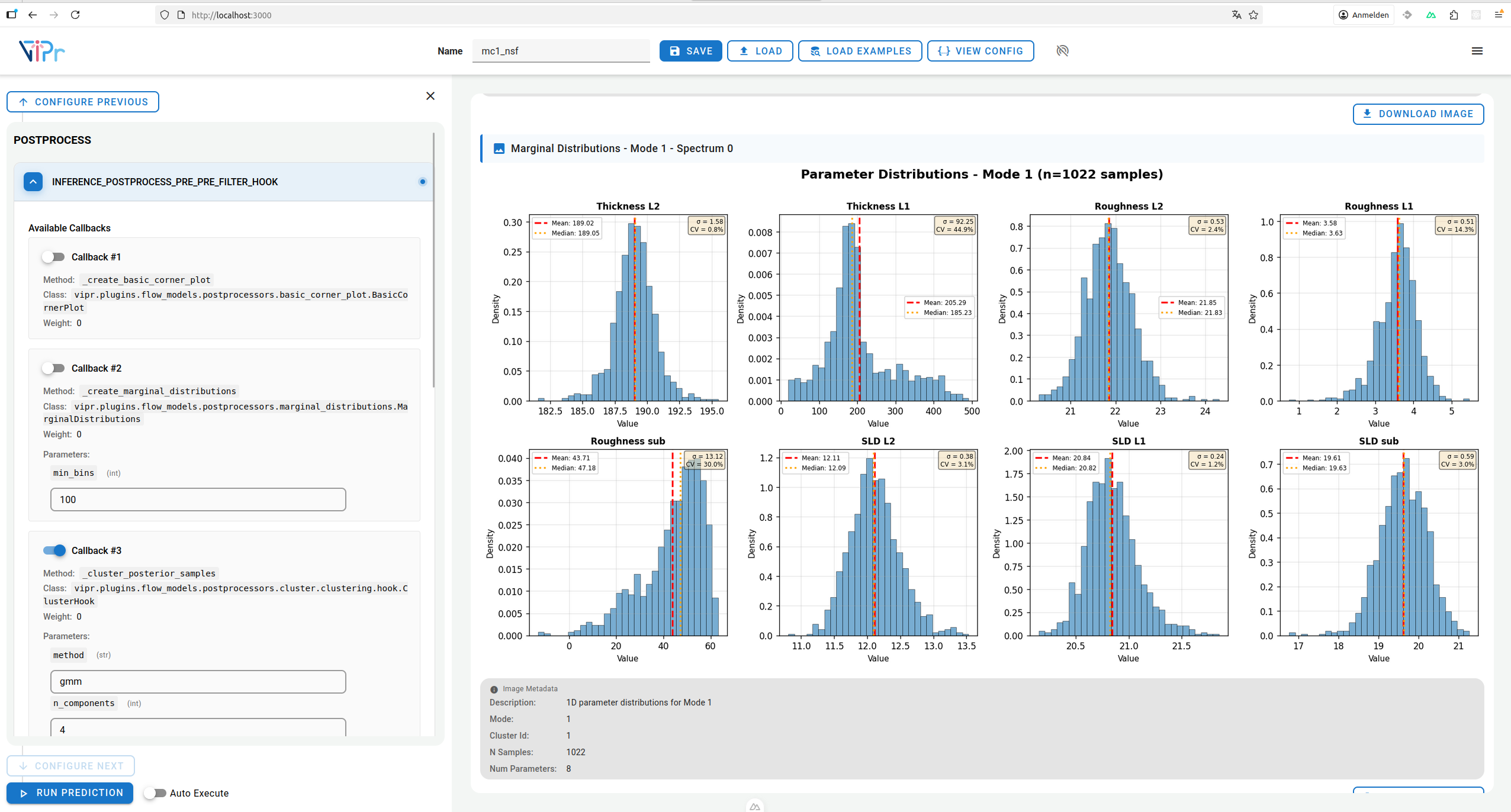
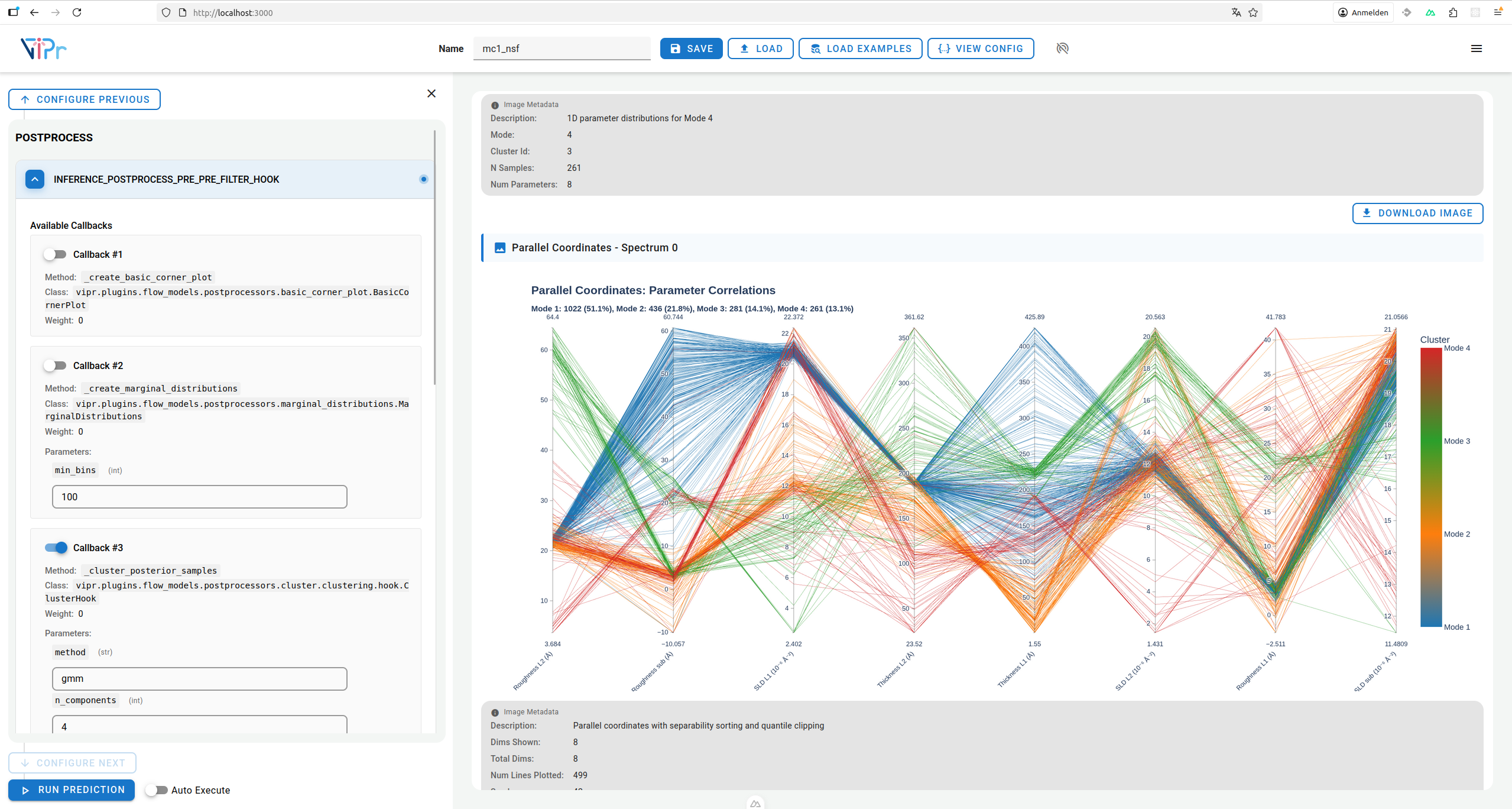
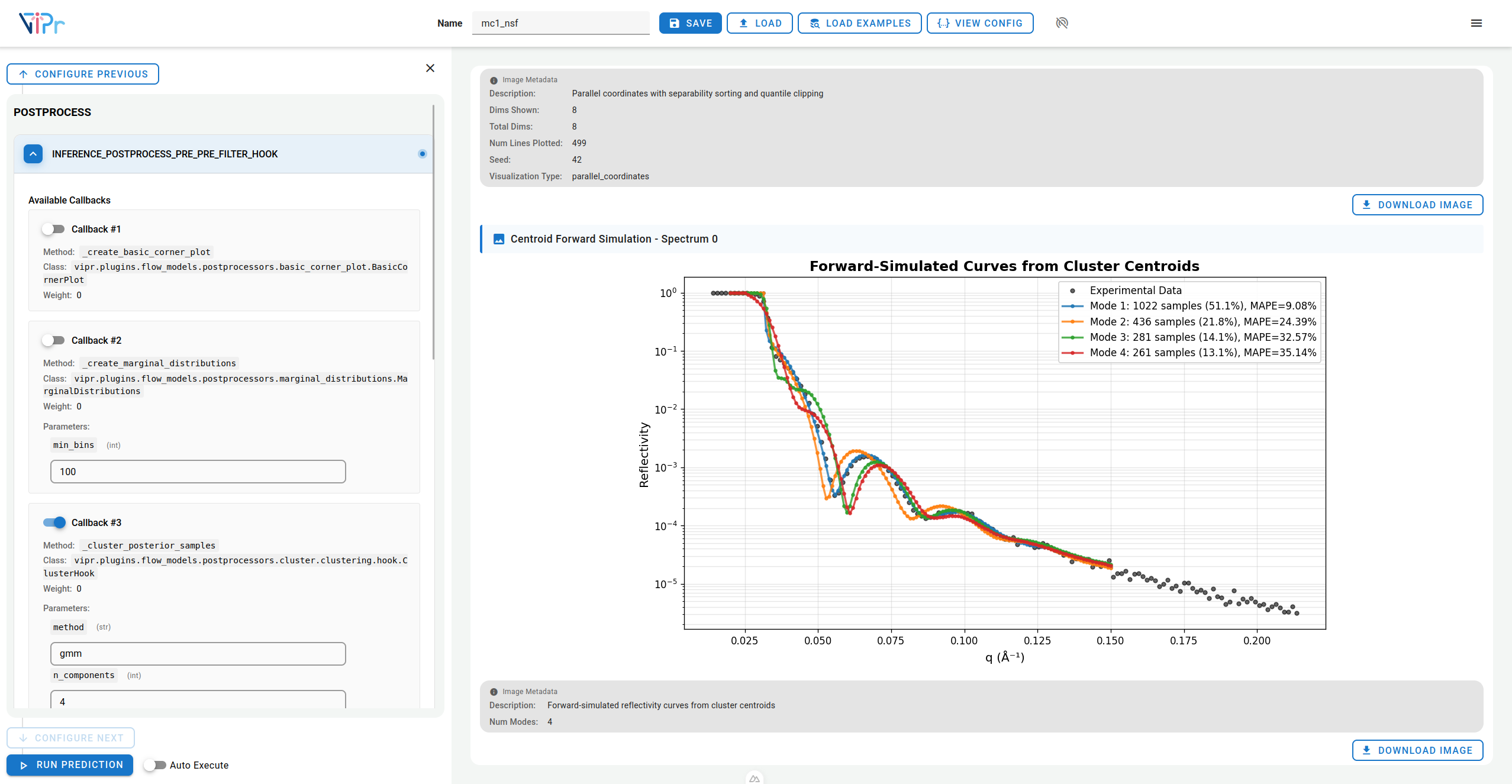
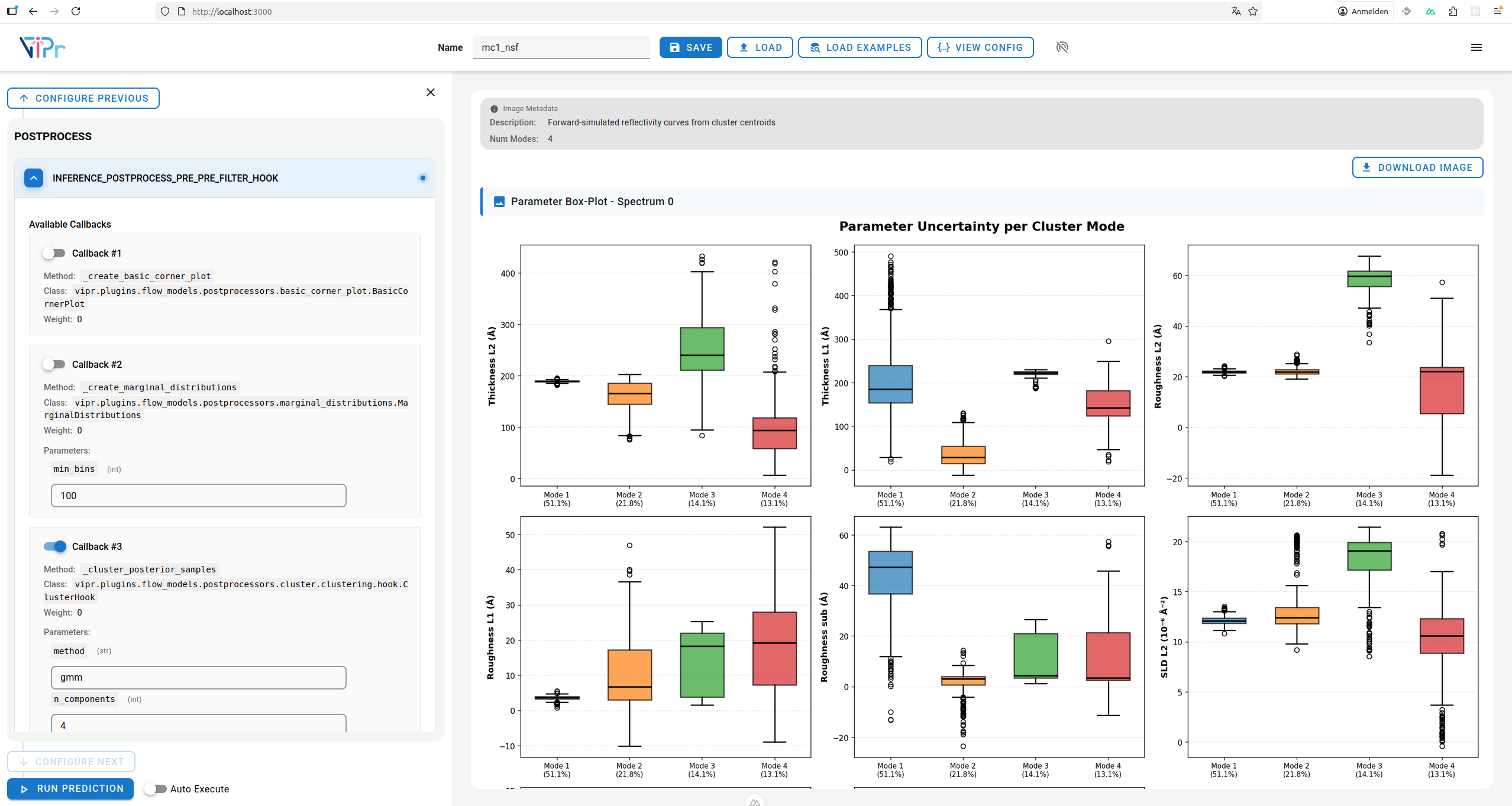
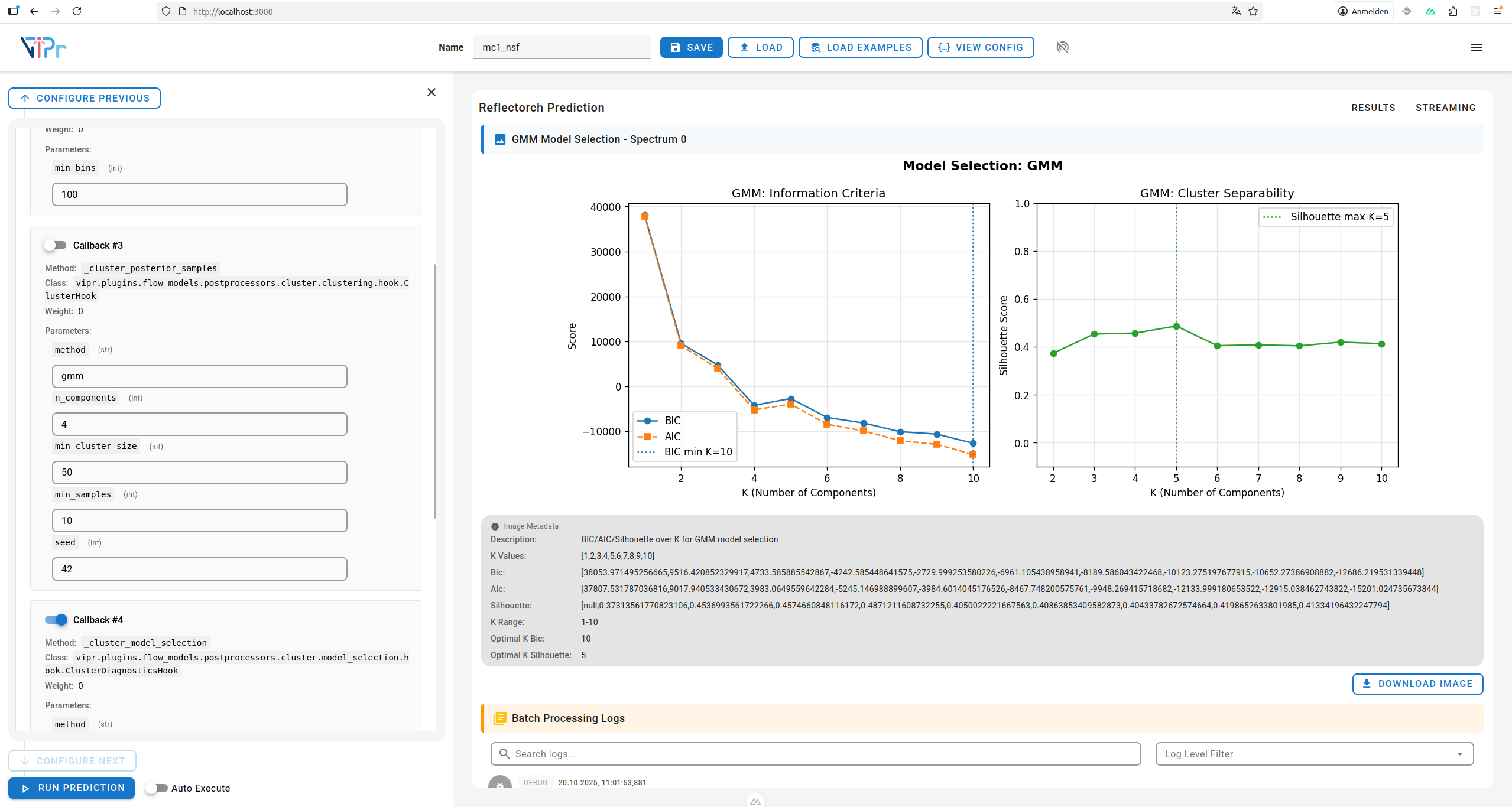
Classical analysis methods are based on time-consuming iterative optimization procedures. For modern experiments with thousands of measurements and the desire for real-time feedback during measurement, this is not practical. The VIPR consortium project funded by the Federal Ministry of Education and Research aims to fundamentally solve this challenge through the use of invertible neural networks.
Helm & Walter was accepted as an industry partner for framework design and development into the consortium, which collaborates with six leading research institutions as well as international partners such as CERN and Berkeley Lab. The challenge was to create a framework that offers both the complexity and power for diverse inverse problems while keeping the barrier to entry for researchers without a computer science background as low as possible.
Project Objectives
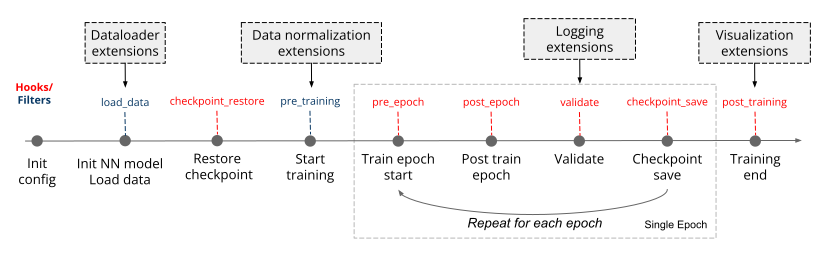
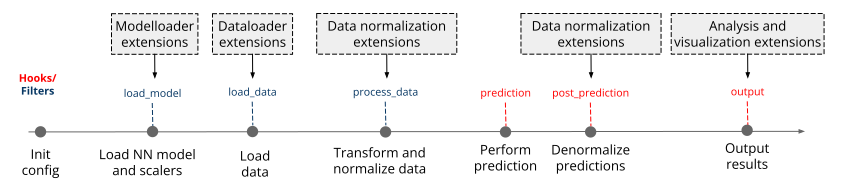
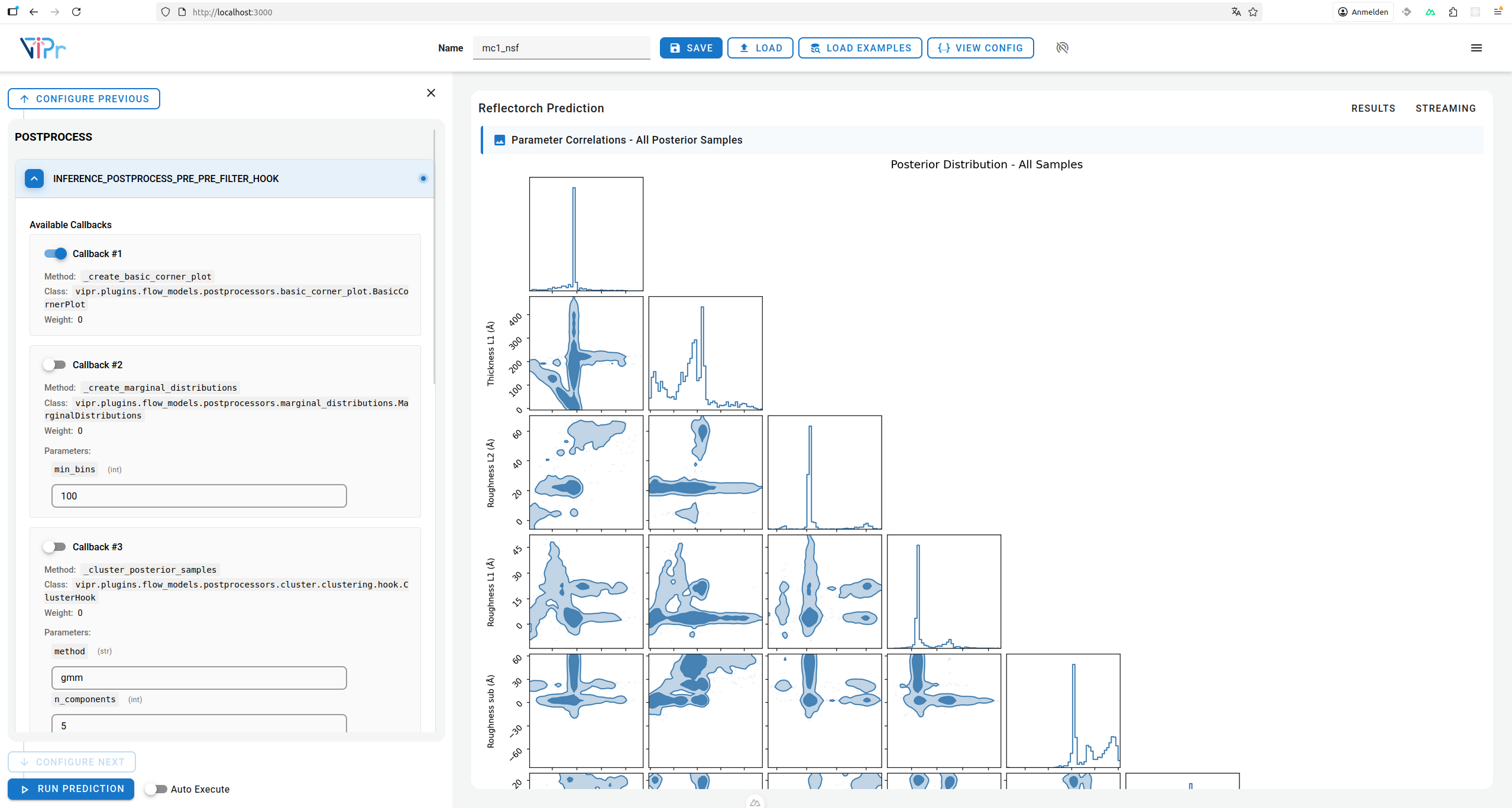
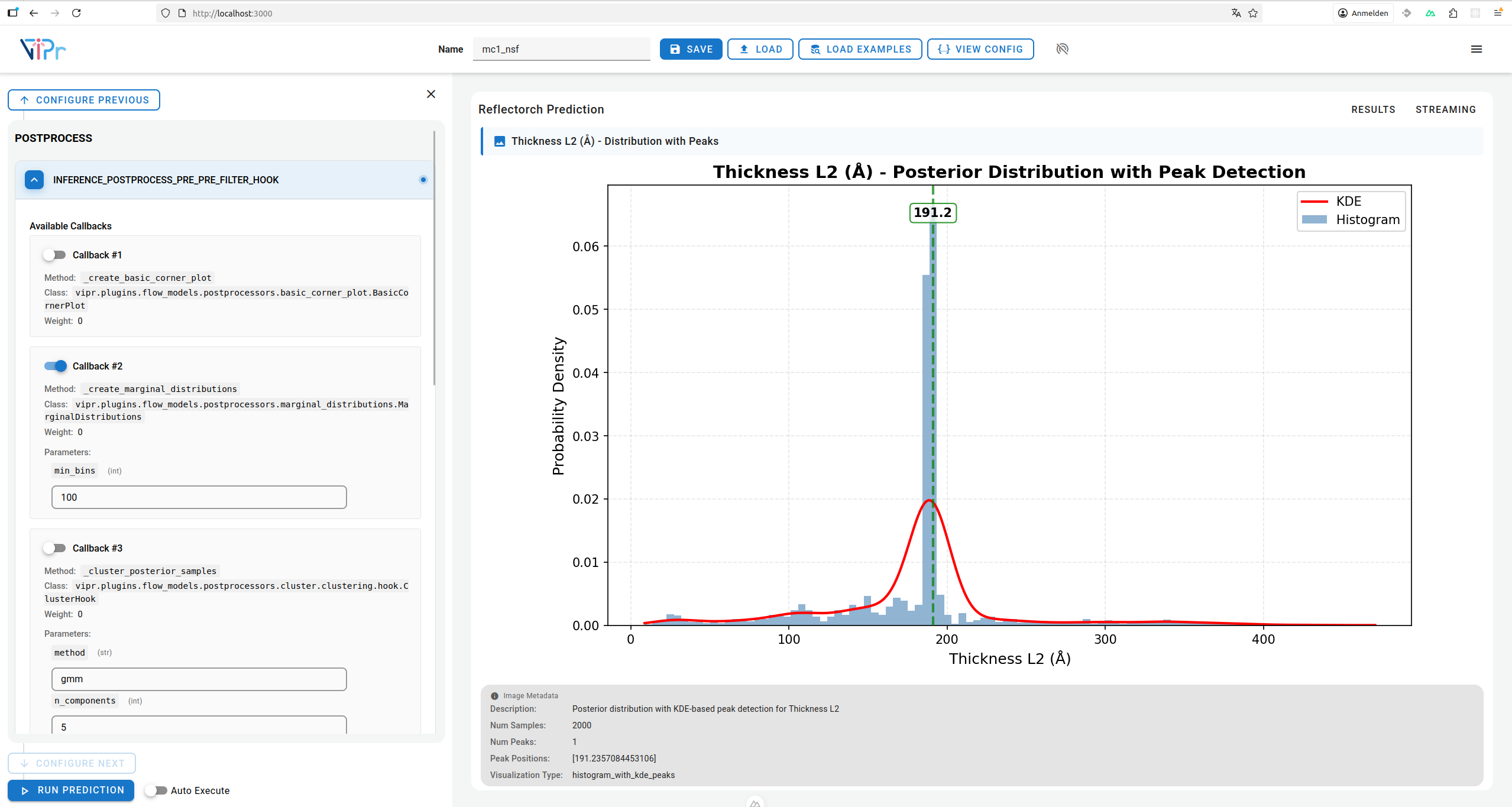
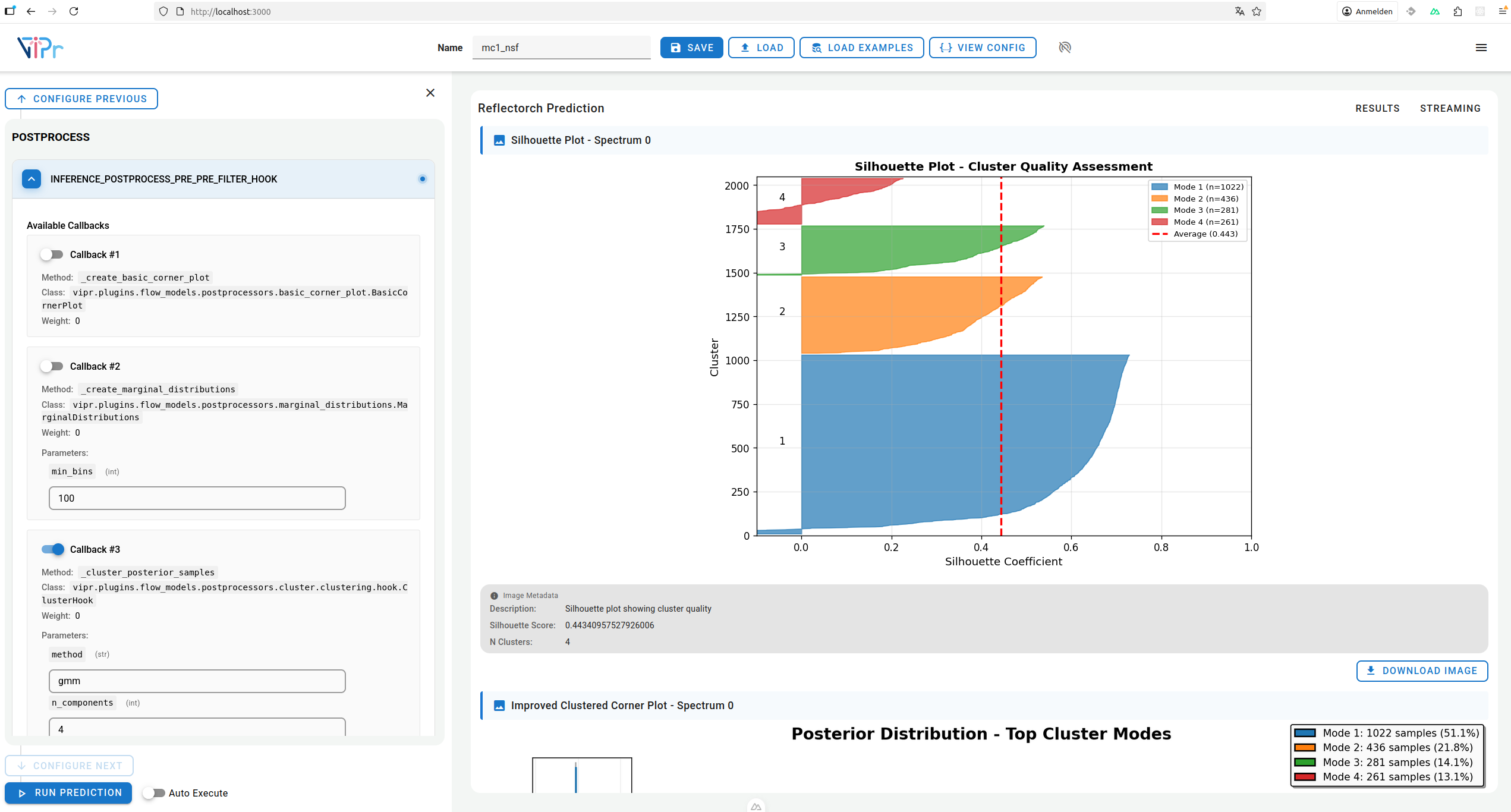
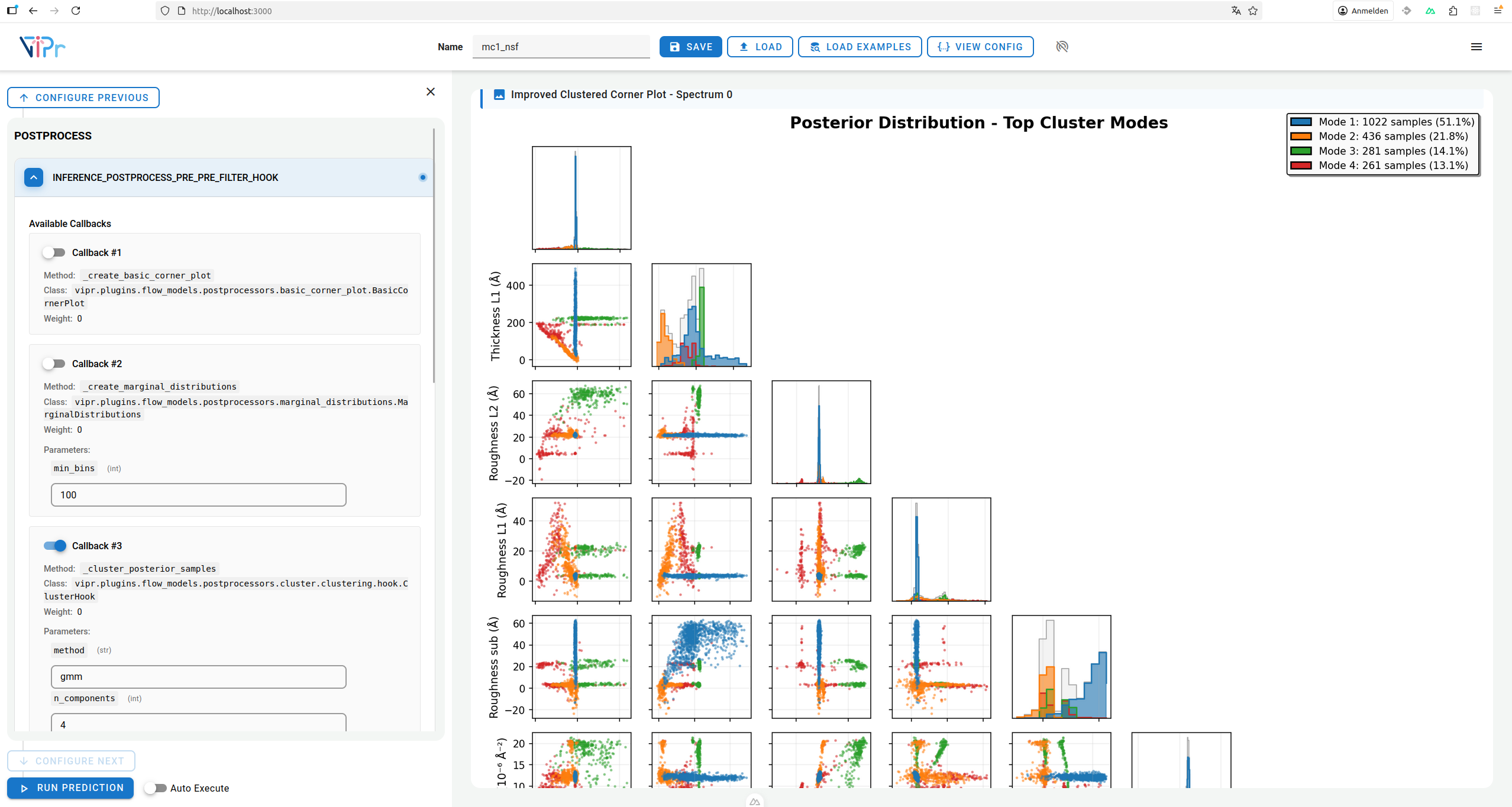
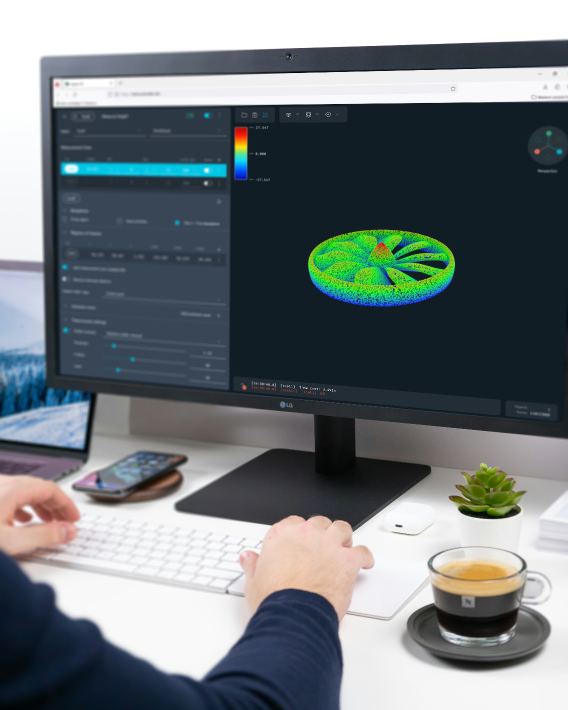
The goal was to develop a flexible software framework for data-driven solutions of inverse problems based on invertible neural networks. The framework should enable researchers at large research facilities to perform user-friendly data analysis as a cloud application. Near real-time preliminary analysis of collected (sensor) data during ongoing experiments is the primary objective that the framework should meet in practice. This should make the expensive deployment and limited resources in these research areas significantly more effective and efficient.